
The food cost formula, how to cost a recipe properly, and seven practical ways to bring food cost down without touching quality.
Food cost is usually the largest controllable expense in a restaurant. Yet many owners only see it once a month, as one number on a P&L, long after the money is gone. This guide explains how to calculate food cost, how to cost each recipe, and the habits that keep it under control every week.
The food cost formula
Food cost percentage = (Opening stock + Purchases - Closing stock) / Food sales x 100.
For example, if you opened the month with stock worth Rs 2,00,000, bought Rs 6,00,000 of ingredients, closed with Rs 1,50,000 of stock, and sold Rs 20,00,000 of food, your food cost is (2,00,000 + 6,00,000 - 1,50,000) / 20,00,000 = 32.5%.
There is no single right number. It depends on cuisine, format and pricing. What matters most is the gap between this actual figure and your theoretical food cost.
Actual vs theoretical food cost
Theoretical food cost is what your food should have cost if every dish was made exactly to recipe, with no waste, theft or over-portioning. You get it by multiplying each item's recipe cost by the number sold. The gap between theoretical and actual cost is money leaking out of the kitchen, and it is the number worth chasing.
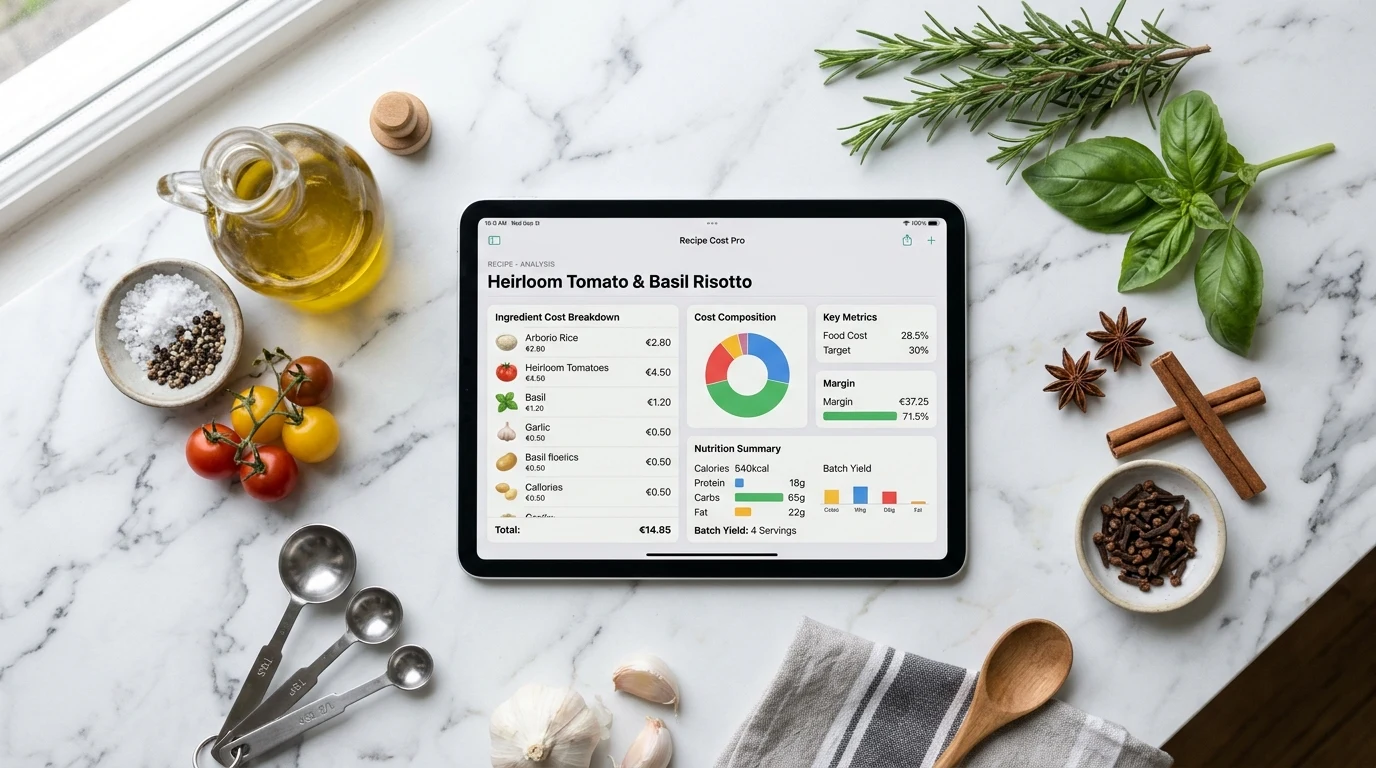
How to cost a recipe
- List every ingredient in the dish, including garnish, oil and packaging for delivery.
- Write the exact quantity used per portion, in the unit you buy in (grams, ml, pieces).
- Use the latest purchase price and account for yield: a 1 kg chicken does not give 1 kg of usable meat.
- Add the lines up to get the plate cost.
- Divide plate cost by selling price (before tax) to get the item's food cost percentage.

Seven ways to reduce food cost
1. Standardise portions
Use scoops, ladles and scales, and put photos of the finished plate on the line. Over-portioning by a few grams on a best-seller adds up fast.
2. Count the high-value items daily
You do not need a full stock-take every day. Count the 10 to 15 most expensive ingredients (meat, cheese, seafood, dry fruits) daily and the rest weekly.
3. Record every wastage
Spoilage, burnt food and returned plates should all be logged with a reason. Once wastage is visible by item and by shift, patterns appear quickly.
4. Order to par levels
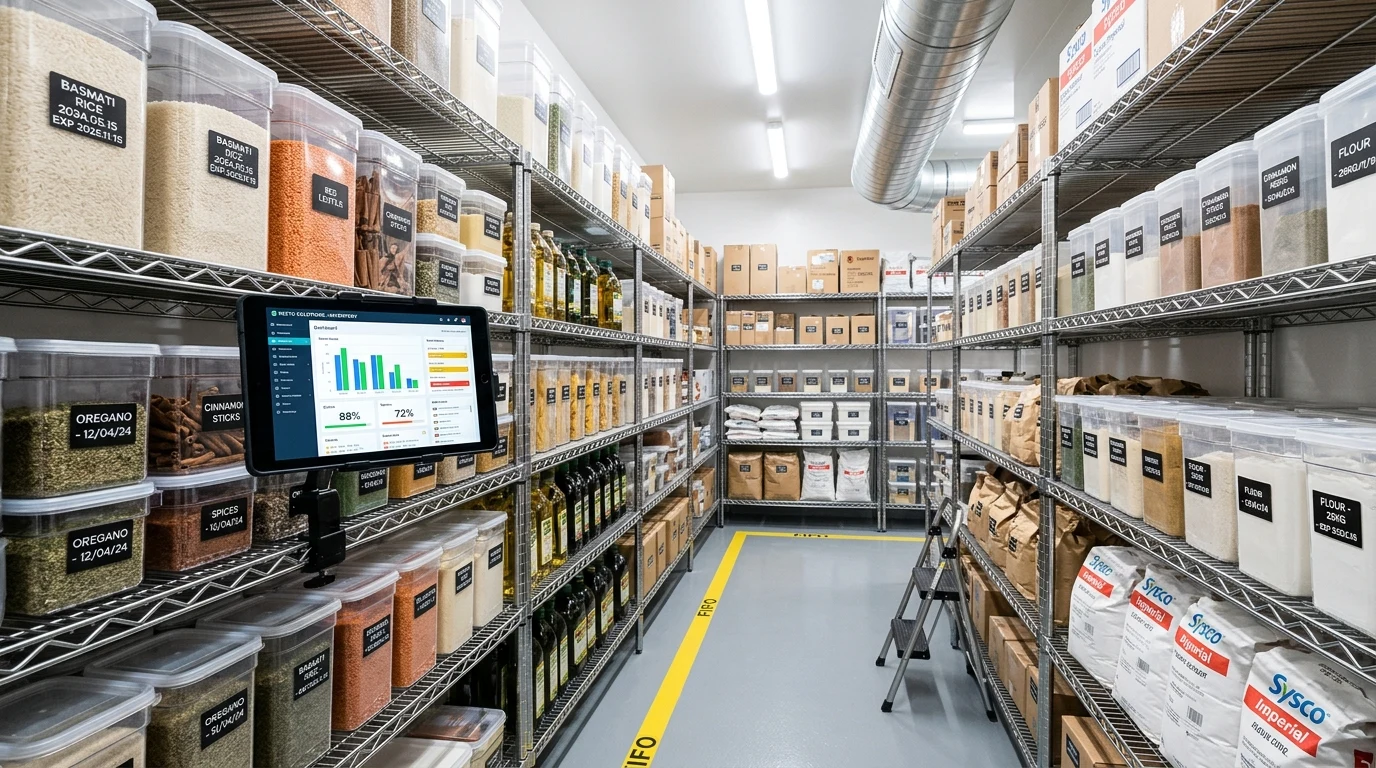
Set a par level for each ingredient based on sales and order up to it. This avoids both stock-outs and the over-buying that ends in the bin. See our inventory management guide for how to set them.
5. Engineer the menu
Compare each dish's popularity with its margin. Promote high-margin favourites, re-price or re-work popular low-margin dishes, and remove items that neither sell nor earn. Our food menu engineering service does exactly this.
6. Compare supplier prices
Track purchase price per ingredient over time and across suppliers. Price creep on staples like oil and dairy is easy to miss without a report.
7. Centralise prep for multi-outlet chains
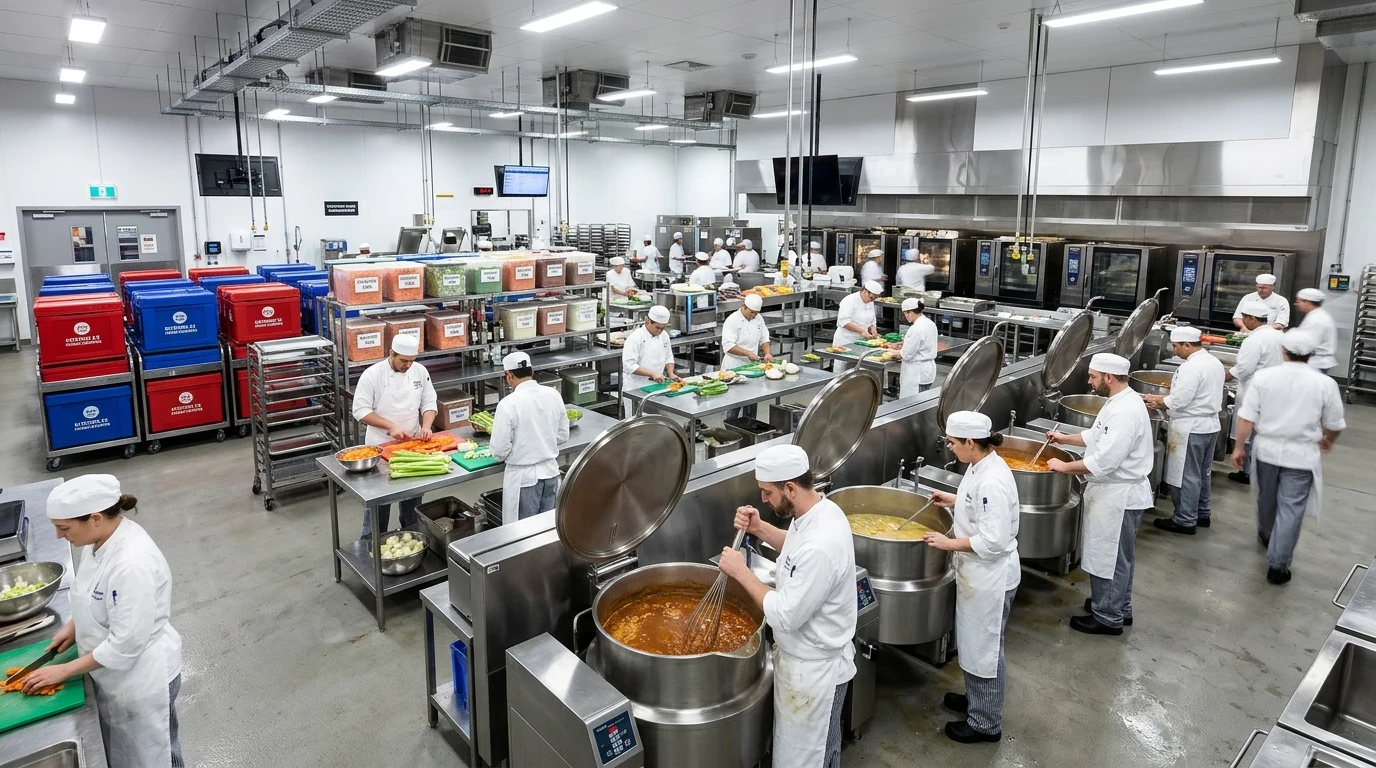
A central kitchen buys in bulk, prepares to one standard and controls yield. Read our central kitchen guide to see when it makes sense.
Frequently asked questions
It varies by cuisine, format and pricing. Rather than chasing an industry figure, track your actual food cost against your theoretical food cost and work on closing that gap.
At least weekly. Counting high-value ingredients daily and doing a full count weekly or monthly gives early warning of leakage.
Plate cost is the ingredient cost of one portion of a dish. Food cost percentage compares your total ingredient consumption with your food sales over a period.